Low-Sugar Toddler Snacks: A Growing Demand In Child Nutrition
Mother & baby
|
March 22, 2026
Dealing with a toddler sugar crash is exhausting. You want to feed them well without triggering an afternoon meltdown over an empty wrapper. Let's cut through the confusing packaging claims and look at exact, easy swaps to keep your little one fueled, happy, and growing.
Decoding The Label: Spotting Hidden Sugars In Nutritious Snacks For Children
The front of a snack box is marketing; the back is the truth. When you walk down the baby and toddler aisle, almost every package promises to be wholesome. Yet, a glance at the ingredient list often reveals a completely different story.
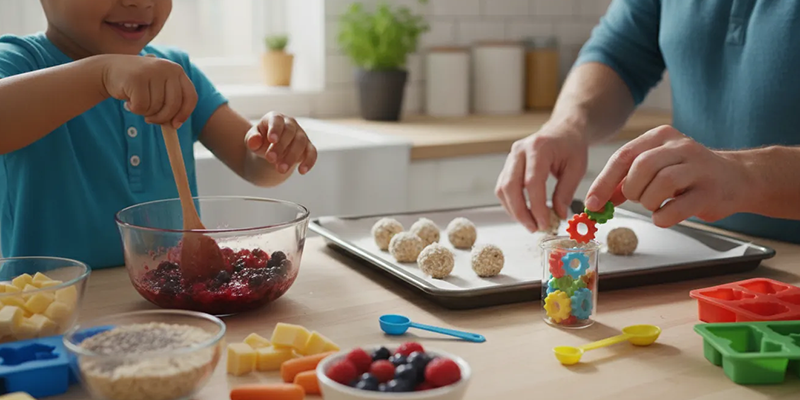
To find genuinely nutritious snacks for children, you need to ignore the cartoon characters and flip the box straight to the nutrition facts. Look specifically at the Added Sugars line. A good rule of thumb is to remember that four grams of sugar equals one teaspoon. If a single toddler-sized granola bar contains 8 grams of added sugar, picture yourself handing your two-year-old two full teaspoons of raw white sugar. You probably wouldn't do that, but standard grocery store snacks do it daily.
Ingredients are listed by weight. If sugar, cane syrup, or brown rice syrup appears in the first three ingredients, put the box back. Manufacturers are clever. They know parents are looking for better options, so they split the sugars up to push them further down the list. You might see cane sugar, tapioca syrup, and agave all in one tiny bar.
Compare These Two Common Items:
The standard fruit snack: The ingredients often read: Corn syrup, sugar, apple juice concentrate, modified corn starch. This is a candy disguised as fruit.
The better alternative: Look for dried fruit strips with only apples and strawberries as ingredients.
Your goal is short, readable ingredient lists. If you cannot picture the ingredient growing in nature or sitting in a standard kitchen pantry, it probably does not belong in your toddler's daily diet.
If you are ready to rethink sweetness completely, let's look at which sweet ingredients actually benefit your child's body.
Sweetener Sources: Choosing Genuine Low Sugar Snacks
Toddlers have a natural preference for sweet tastes. You do not need to eliminate sweetness; you need to change its source. The transition to low-sugar snacks relies heavily on using whole, fiber-rich foods to provide that sweet flavor.
The biggest trap parents fall into is fruit juice concentrate. Many brands slap a No Added Sugar label on their pouches or gummies because they use apple or pear juice concentrate. However, stripping the fiber away from the fruit leaves behind a highly concentrated dose of fructose. It spikes your toddler's blood sugar just as fast as standard table sugar.
Instead, rely on whole-food sweetening. When you buy pre-packaged items or bake at home, look for these specific sweet bases:
Mashed bananas: Excellent for binding homemade oat cookies and providing natural sweetness.
Date paste: Dates are incredibly sweet but also packed with fiber, which slows the absorption of sugar into the bloodstream.
Unsweetened applesauce: A perfect moisture-adding base for homemade muffins that completely removes the need for white sugar.
Freeze-dried fruit powders: Blending freeze-dried strawberries into plain yogurt gives it a bright pink color and sweet taste without the syrupy additives of commercial flavored yogurts.
Smart Swaps For Daily Snack-Time Scenarios
Knowing what to look for is only half the battle. The real test happens at 10:00 AM and 3:00 PM when your toddler is pulling at your leg, asking for food. Building a roster of healthy snacks for kids requires combining fiber with fat or protein. This combination digests slowly, keeping its energy steady until the next main meal.
The Mid-Morning Crunch
Toddlers love crunchy textures. Many parents default to animal crackers or heavily processed puffs. These snacks are mostly refined carbohydrates that break down quickly into sugar, leaving your child hungry thirty minutes later.
Instead of: Graham crackers or sweetened cereal.
Swap to: Plain brown rice cakes topped with a thin layer of almond butter and a sprinkle of hemp hearts. If they want a packaged crunch, look for roasted chickpea snacks lightly dusted with sea salt, or whole grain oat rings with zero added sugar.
The Afternoon Energy Dip
Around 3:00 PM, children often need something substantial. This is a great time to introduce savory flavors to reduce their reliance on sweet snacks.
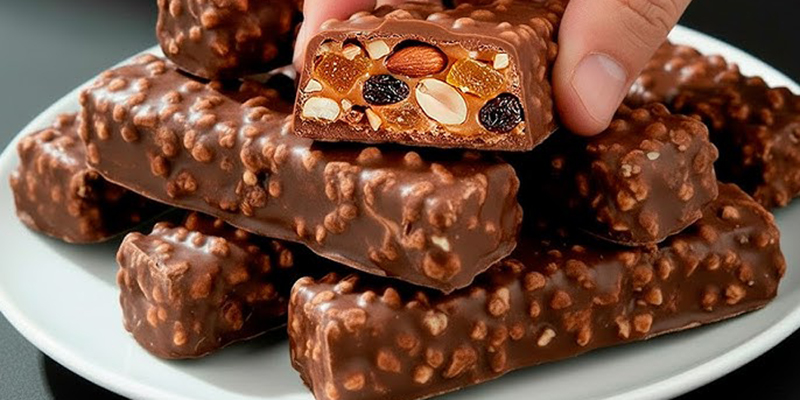
Instead of: Sugar-heavy fruit pouches or sweetened oatmeal bars.
Swap to: A snack plate approach. Cube some full-fat cheddar cheese, slice a few cucumbers, and add a scoop of plain hummus. If you want to serve fruit, pair it with a fat. Serve apple slices with a dollop of sunflower seed butter. Slice a kiwi and serve it alongside a hard-boiled egg. The fat and protein anchor the natural sugars in the fruit.
The Dairy Dilemma
Yogurt is heavily marketed to children, but small, brightly colored tubes of yogurt often contain more sugar per ounce than ice cream.
Instead of: Buying vanilla or strawberry-flavored toddler yogurt.
Swap to: Buying a large tub of plain, whole-milk yogurt. Spoon it into a bowl and stir in a spoonful of chia seeds and mashed blueberries. You control the sweetness, and the child gets a massive boost of healthy fats for brain development.
Feeding them at the kitchen table is easy enough. Keeping them fed while strapped in a car seat or running around the park requires a completely different strategy.
Grab-And-Go: Mess-Free Options For The Park And Car
When you are out of the house, you need snacks that won't melt in a hot car, won't leave sticky handprints on the car windows, and won't require a fork. Convenience often leads parents straight to high-sugar processed foods, but it doesn't have to be that way.
Pack a small cooler bag with temperature-stable, low-sugar items. Freeze-dried fruits (like mangoes or blueberries) are fantastic because they offer the satisfying crunch of a chip but contain absolutely nothing except the fruit itself.
String cheese or mild cheddar sticks are perfect for travel. They are individually wrapped, completely sugar-free, and leave no crumbs.
If you like to bake, make a batch of savory mini-muffins on Sunday. Mix shredded zucchini, carrots, eggs, and a little whole-wheat flour, then bake in mini-tins. Toss them in a zip-top bag before heading to the playground. They are dense, filling, and completely avoid the sugar crash that comes after eating a standard bakery muffin.
A Quick Warning On Sugar-Free Claims
When looking for sugar-free snacks, absolutely avoid adult diet foods. Products that rely heavily on artificial sweeteners like sucralose or aspartame, or on sugar alcohols like erythritol, have no place in a toddler's diet. These chemicals can cause severe stomach upset, gas, and bloating in small bodies. Your child does not need diet food; they need real food. Stick to ingredients that grow in the dirt, not things created in a lab.
Conclusion
Shifting to a low-sugar routine takes a few extra minutes of label reading at the grocery store, but the payoff is massive. You get steadier moods, fewer tantrums, and a child who actually learns to love the taste of real food. Start with one simple swap today—like trading a sugary afternoon pouch for a fresh banana and cheese stick. You have the tools to make better nutritional choices for your toddler right now.
Just For You

Best Winter Perfumes That Feel Warm, Rich, and Elegant
March 29, 2026
Milk Fragrances: The Comforting Scent Trend to Know Now
March 28, 2026

Best Bio-Based Biodegradable Baby Wipes for Sensitive Skin Kids
March 20, 2026

How to Make Your Lip Color Last? Tips and Product Recommendations
March 18, 2026

How to Plan a Family Vacation on a Tight Budget without the Stress
March 17, 2026

The Best Digital Nomad Jobs That Pay Well Enough to Actually Travel
March 16, 2026
Recommended For You

How To Plan A Perfect Group Travel Experience

How To Find The Best Local Food Spots

Valentine’s Day Perfumes That Feel Intimate and Elegant

Weight Loss Diet Plan for Men: 5 Weeks to a Leaner Body
Best Bio-Based Biodegradable Baby Wipes for Sensitive Skin Kids